Septic System Installation Cabool MO: Local Soil & Regulation Guide
Building a home or replacing a failing system in the Ozarks takes more than a tank and some pipe. In and around Cabool, soils change from red clay to rocky chert in a few steps, and spring rains can turn a dry lot soggy. This guide walks you through how local soil, slope, and state rules shape a safe, long‑lasting design, and how Missouri Home Builders LLC coordinates the work from layout to final inspection. If you are ready to plan your system, start with our septic system installation service overview.
Why Septic Design Is Different In The Ozarks
The Cabool area sits on rolling hills with shallow bedrock in places. That means the soil layer that treats wastewater can be thin or full of rock fragments. When the soil is thin, a standard trench may not protect groundwater. Your licensed plumber and soil evaluator look for depth to rock, seasonal water signs, and texture that lets water pass at a steady rate.
During wet seasons, perched water can sit on clay layers. That slows treatment and can push effluent to the surface. On the other hand, very gravelly soil drains so fast that wastewater may not get enough contact time. The right design balances both conditions so treated water returns to the ground safely.
How A Septic System Works, In Plain Language
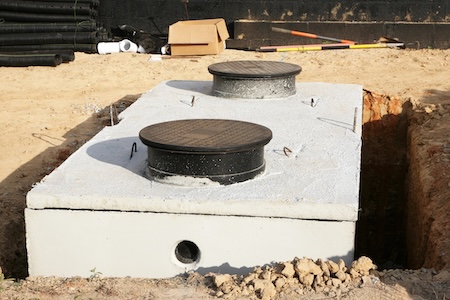
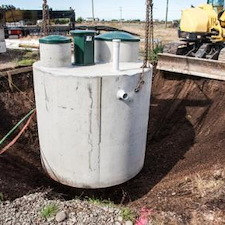
Wastewater leaves your home and flows into a watertight tank where solids settle. From there, clarified water moves into a distribution box, then out to lateral lines set in trenches. The soil below the lines acts like a natural filter that finishes the clean‑up before water moves down and away.
- Tank: holds and separates solids, oils, and water.
- Drainfield: shallow trenches that spread flow across the soil.
- Soil: the treatment layer that protects wells, streams, and neighbors.
Missouri Basics: Testing, Sizing, And Setbacks
Missouri follows onsite wastewater rules managed by the Missouri Department of Health and Senior Services. Your project will include a site evaluation and a percolation or soil profile test to size the drainfield. Exact steps depend on your parcel, bedroom count, and any local health department requirements. We coordinate with your inspector so submittals and inspections happen on schedule. We never guess on measurements because lot shape, wells, and property lines drive where the system can go.
Homeowners often ask about “perc test Missouri” timing. The test reads how fast clean water soaks into undisturbed soil. Results change with soil moisture, so your evaluator aims for typical conditions. Plan ahead so testing and layout happen before concrete, utilities, and driveway work block access.
Common System Types We Use In Southern Missouri
Different sites call for different tools. Your plumber will recommend one or a blend of these options after the soil workup:
- Conventional trench system: good for deep, moderate soils on gentle slopes.
- Chamber or gravelless trench: useful when delivery access is tight or gravel is impractical.
- Low‑pressure pipe: doses shallow trenches evenly on mild slopes.
- Mound system: adds a sand layer above shallow soil or bedrock for extra treatment depth.
- Advanced treatment units: treats wastewater before it reaches the field on sites with special limits.
Rocky ridges east and south of town often need a raised bed or mound to build the treatment layer. Valleys with heavier clay may call for wider spacing and careful water control around the field. Never drive heavy equipment or store materials over the drainfield area. Compaction ruins the soil structure that does the cleanup.
Local Soil And Drainage: Cabool‑Area Patterns We Watch
Southern Missouri soils can shift within a single yard. One test pit may show loam with good structure while a few feet away you hit chert or red clay. Here is how that affects your plan:
Shallow bedrock: If rock is close to the surface, the design must create more vertical separation between treated water and rock. That can mean a mound or importing suitable sand fill.
Clayey pockets: Clay slows water. We lengthen trenches, adjust spacing, and set elevations to match the measured perc rate. French drains or surface swales may route clean stormwater away so the field can breathe.
Steep slopes: On stronger slopes, pressure dosing or step‑downs keep flow even. The layout runs with the contour to prevent channeling.
Drainage from roofs and driveways: We direct clean runoff around the field. Keeping stormwater off the field protects treatment and extends system life.
New Home Construction: Septic Planning Timeline
Septic is a core utility, so it belongs in the early design set. Here is a simple path that keeps your build moving in Cabool:
- Lot walk and utility map: confirm property lines, wells, and easements.
- Soil evaluation and perc test: schedule before grading reshapes the yard.
- Preliminary layout: size the tank and field based on bedrooms and soil data.
- Submittal and approvals: coordinate with your local health department.
- Excavation and install: trenching, bedding, and pipe placed to design elevations.
- Final grading and protection: mark the field, add topsoil, and set a long‑term care plan.
If you want a deeper look at components and steps, our plumbing team outlines the process on the septic system installation service page. For related fixture tie‑ins and rough‑ins during the build, see our plumbing services overview.
Excavation And Rocky Soil: What To Expect
Many Cabool lots need careful rock handling. Our crews cut clean trench walls, keep bedding uniform, and avoid smearing clay. If trench bottoms are too rough, we correct grade with approved bedding so pipes sit true. Where rock outcrops block the plan, we shift the field within the design envelope or switch to a mound. Safe spoil storage and stable access paths protect nearby trees, wells, and ditches.
Southern Missouri excavation services also need weather windows. After heavy rain, we may pause to protect soil structure. Working too wet can glaze the trench walls and reduce percolation. A short delay now can add years to the system’s life.
Setbacks, Inspections, And The Role Of DHSS
Missouri Department of Health and Senior Services septic regulations outline statewide standards for onsite wastewater systems. Local health departments and inspectors apply those standards to your site plan. Final approvals depend on correct setbacks from wells, property lines, buildings, and surface waters, along with the documented soil evaluation. We handle plan notes, as‑builts, and scheduling so you are not juggling forms during a busy build.
While rules guide the layout, every lot is unique. That is why your design is built on measured soil data, not guesses. If your home sits near a creek or on a narrow parcel, we use the evaluation to choose the right treatment approach and field shape.
Homeowner Responsibilities That Protect Your System
Once installed, simple habits keep your investment working:
- Keep gutters, sump lines, and driveway runoff pointed away from the field.
- Plant only grass over the field. Avoid deep‑rooted trees or shrubs nearby.
- Know where your tank and lines are before adding patios, sheds, or parking.
- Schedule routine inspections and pumping as recommended for your household size.
Call 811 before any digging on your property. Marking buried utilities helps your plumber avoid damage during any future tie‑ins or repairs. It also keeps you safe around electric and gas services.
Answers To Common Cabool Questions
What if my lot is small? Your evaluator may suggest a compact layout or advanced treatment to meet space limits. What if water stands after storms? Surface drainage fixes and pressure dosing can help. What if my well is close? Setbacks and field orientation keep a safe buffer. For new builds, we coordinate septic, rough plumbing, and final fixtures so your schedule stays on track.
Some homeowners ask how costs are set. Pricing varies by home size, soil, treatment type, access, and season. Rock excavation, long pipe runs, or raised beds add time and materials. During your estimate, we explain the site conditions that drive the design so you know what you are paying for and why.
When To Start Your Project
In Cabool, many owners plan installs after the ground dries in late spring or early summer. That timing gives better soil conditions and easier access. If you plan to break ground on your home this year, line up the soil test as soon as you finalize the footprint. A clear septic plan helps with grading, driveway layout, and well placement. For a fast overview of all construction services, browse the main services page.
Get Local Help You Can Trust
With Missouri Home Builders LLC, you get a licensed plumber who understands Ozarks soils, local inspection steps, and tight build schedules. We explain the why behind each design choice so you can make smart calls for your property. If you are comparing options, use this phrase to find our home base and learn more about the team’s experience with septic system installation in Cabool MO. To talk through your site plan today, call 417-464-1299 and ask for a septic consultation.
Ready to move forward with a clean, code‑ready design that fits your lot? Connect with Missouri Home Builders LLC for permitting support, soil‑smart layout, and a smooth install from trench to test.
Contact Us to Get a Quote
Our Services
-
Custom Home Building
-

Electrical
-
Excavation
-
Generators
-
HVAC Installation & Repair
-

Plumbing
-
Septic System Installation
-
Sewer Line Installation
-
Sewer Line Replacement
-

Solar System Installation
-
Water Lines
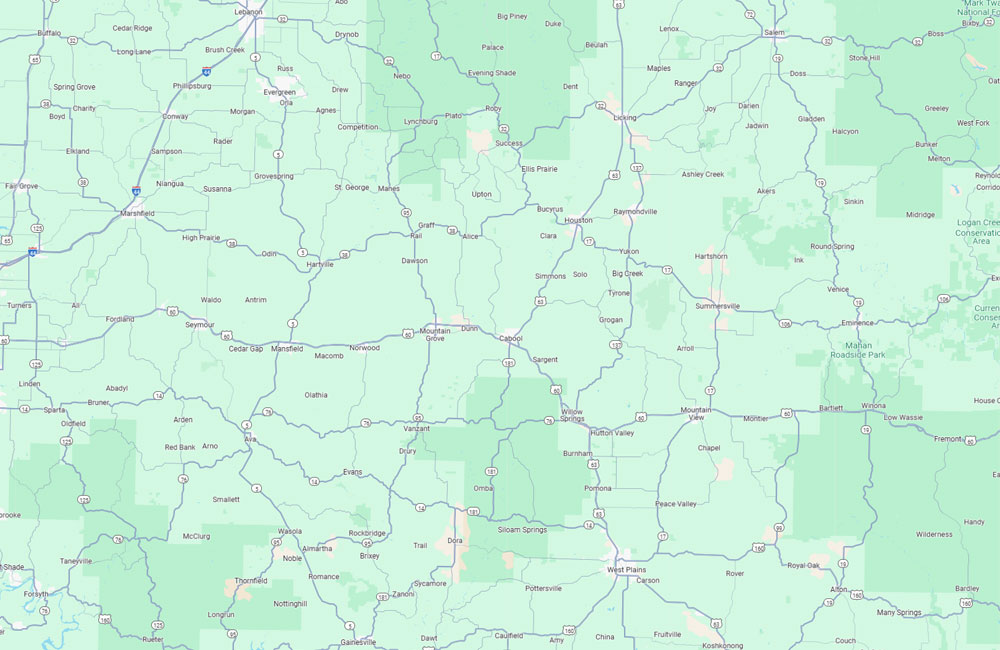
Building Across Southern Missouri
At Missouri Home Builders LLC, we are proud to bring our craftsmanship and dedication to families across a wide range of communities. We are honored to serve the following cities, helping homeowners create custom-built spaces that reflect their unique lifestyles and dreams.